Dear Whoopi Goldberg,
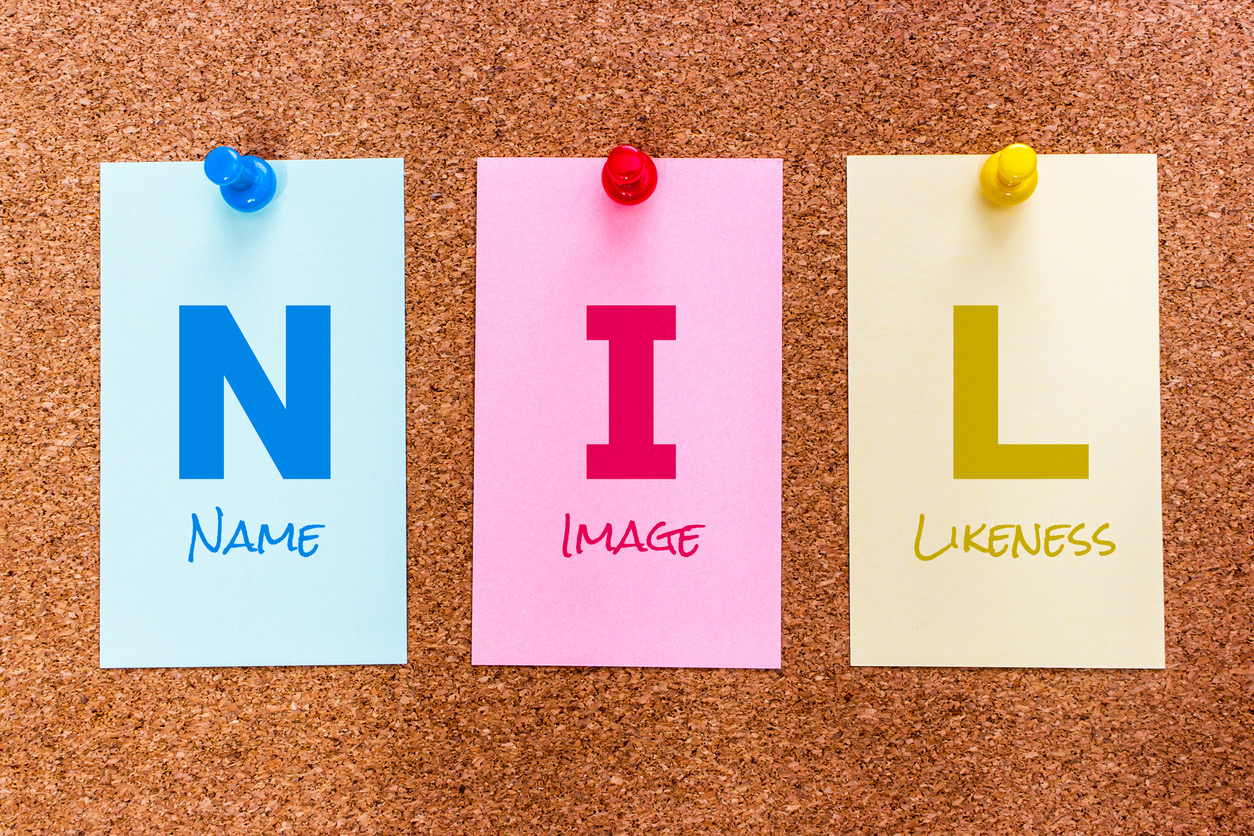
As a girl who grew up playing sports, I have so much admiration for you and the fact that you helped found the All Women’s Sports Network. I love that you have created a space for female athletes to be recognized and celebrated. Since your platform promotes female athletes, I thought you should know about the benefits of Name, Image, and Likeness (NIL) deals for female college athletes. As I’m sure you know, NIL refers to an athlete’s right to profit from their own personal brand. NIL deals can make a real difference in the lives of female athletes, and I genuinely think this is something you should consider putting your support behind.
I won’t lie to you, I wasn’t sure about NIL at first. Why should we pay college athletes when many of them will go on to make bucketloads of money in professional leagues? However, after researching NIL and seeing the difference it makes in the lives of athletes, especially female athletes, I’ve had a change of heart. Now I think: why wouldn’t we want to give female athletes the most support and the best opportunities to make a name for themselves?
First of all, NIL deals really help to narrow the gap in representation between male and female sports. As you know, men’s college athletics receive far more publicity, media attention, and airtime than women’s sports. However, NIL deals give female athletes an opportunity to market themselves and bridge that gap in both representation and pay (Jessop and Sabin 283-286). If the AWSN were to formally put its support behind NIL deals, or perhaps even sponsor a few female athletes, that gap could be closed significantly.
Now, I understand that some people believe social media shifts the focus away from female athletes’ abilities, and makes it seem like being an internet personality is more important than being a skilled athlete (Sailofsky). However, this just is not true. Take Caitlyn Clark, for example. She monetized her Name, Image, and Likeness, which brought more attention to her. With the attention she garnered, much of it through social media, she was able to draw even more attention to her athletic ability. The hype around Caitlin Clark drew significantly more viewers to women’s basketball at both the college and professional levels. Clark’s NIL definitely played a part in bringing that attention to women’s basketball. If it weren’t for social media, she may not have received as much recognition for her athletic abilities.
On top of improving representation for female athletes, NIL deals can also improve the quality of life for female athletes by providing them with stability in terms of money and mental health. Unfortunately, a lot of college athletes grew up in poverty (Stephenson 281). The extra money provided through their Name, Image, and Likeness relieves the stress of these athletes who feel they need to be able to put food on the table. This gives them peace of mind and allows athletes to focus on perfecting their craft, rather than worrying if they can afford to eat dinner tonight.
On the other hand, NIL deals could pose challenges to the mental health of athletes. NIL deals add another aspect to athletes’ lives that they have to worry about. With a deal, a female athlete would have to worry about performing well in her sport and maintaining a sponsorship. While this is a valid concern, I don’t believe that it outweighs the potential mental health benefits of NIL deals. College athletes are already under pressure, many of them worrying about performing well enough to play professionally. NIL deals don’t change this—they are under pressure either way. Does a bit of added pressure make more of a difference than the financial security that NIL deals bring? I don’t think so.
All things considered, I think you and the All Women’s Sports Network should support the monetization of college athletes’ Name, Image, and Likeness because of the difference NIL makes in women’s sports, especially related to representation, mental health, and financial security. You have the power to make an even bigger difference in the world of women’s sports. Did you know that there is currently no federal legislation regarding NIL? This means that NIL laws vary from state to state, causing some athletes to violate rules they weren’t even aware of (LaCasto). Several bills have been proposed, but none have gained enough traction to be passed. If you and your organization were to get involved and support a bill proposing federal legislation for NIL, that would bring a lot more attention to the matter and make it much more likely that some kind of law is passed. This could be a game changer in the lives of female athletes, helping them create a brand and a name for themselves. I know you want what is best for women in the world of sports, so I hope you and the AWSN will consider formally supporting NIL deals.
Sincerely, Lily Dietrich
Works Cited
Jessop, Alicia, and Joe Sabin. “The Sky Is Not Falling: Why Name, Image, And Likeness Legislation Does Not Violate Title IX and Could Narrow the Publicity Gap between Men’s Sport and Women’s Sport Athletes.” Journal of Legal Aspects of Sport, vol. 31, 2021, pp. 253-288. HeinOnline, https://heinonline.org/HOL/P?h=hein.journals/jlas31&i=255. Accessed 17 October 2025
LaCasto, Olivia. “NIL Madness: The Need for Federal Legislation to Govern Student-Athlete Monetization of Name, Image, and Likeness.” Loyola of Los Angeles Law Review, vol. 57, no. 4, Oct. 2024, pp. 1049–107. EBSCOhost, research.ebsco.com/linkprocessor/plink?id=a8f051ff-b4de-3b37-b55e-d5c68edc8b2b. Accessed 17 October 2025.
Sailofsky, Daniel. “The Privilege to Do It All? Exploring the Contradictions of Name, Image and Likeness (NIL) Rights for Women Athletes and Women’s Sports.” International Review for the Sociology of Sport, vol. 60, no. 3, May 2025, pp. 459–71. EBSCOhost, https://doi-org.byu.idm.oclc.org/10.1177/10126902241268278. Accessed 22 October 2025.
Stephenson, Luke. “More Money, More Problems? A Look into the Psychological Ramifications of Name, Image, and Likeness Deals in College Athletics.” Law & Psychology Review, vol. 46, Mar. 2021, pp. 273–89. EBSCOhost, research.ebsco.com/linkprocessor/plink?id=7cae7754-3f98-3c9b-a8ef-e1cde39ca46a. Accessed 23 October 2025.