
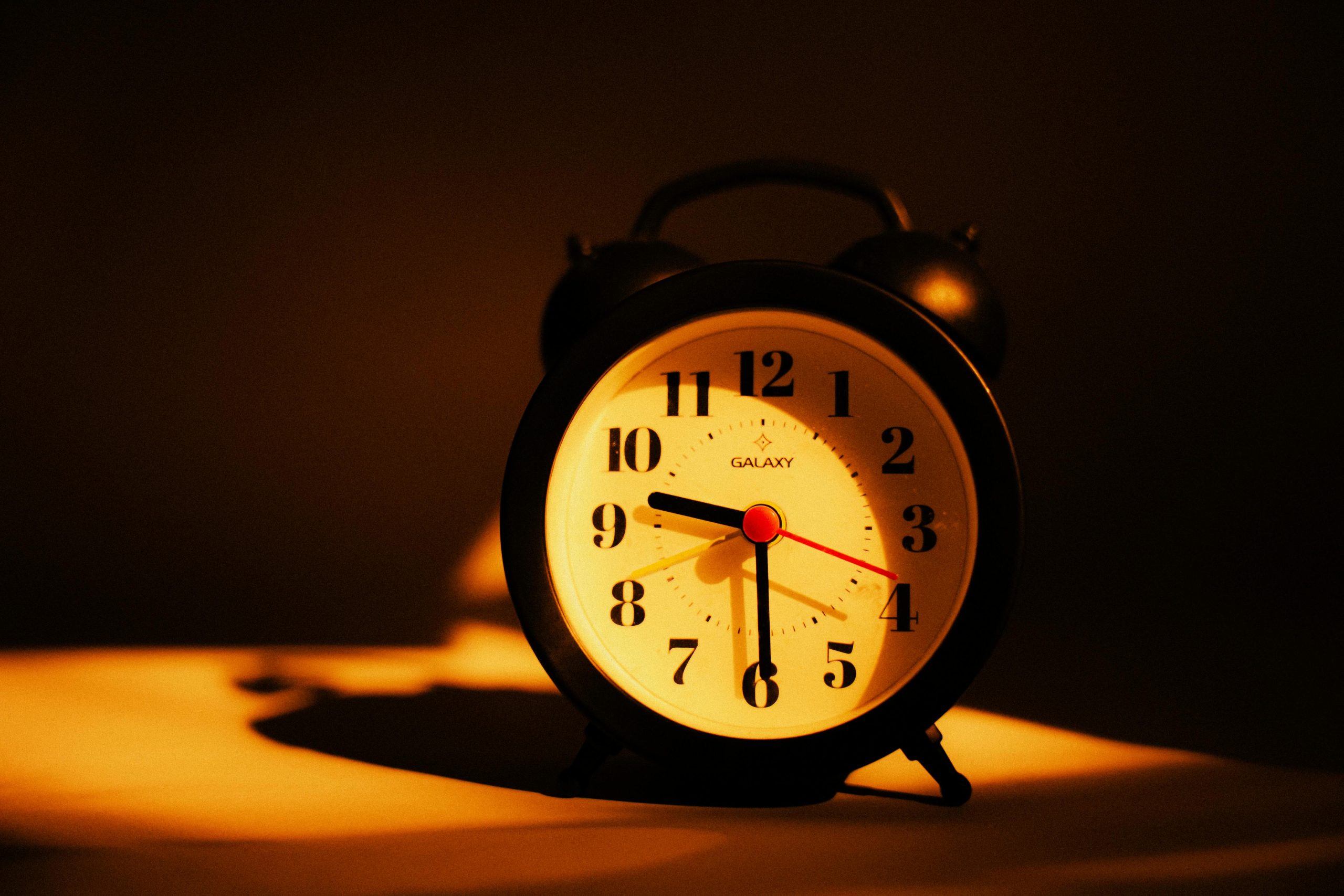
Twice a year, most U.S citizens are faced with a time change as they go into and out of Daylight Saving Time (DST). In the past, this attempt to conserve daylight hours was helpful in reducing energy costs and moving daylight hours to accommodate working hours. However, research has shown that this change in time also messes with circadian rhythms and health. One might question if this practice is really cost-effective. With efficient lighting and rising health care costs, where are the savings? The time has come for the abolishment of DST.
During World War I, the U.S. used DST to conserve fuel. It was repealed the very next year due to its unpopularity. DST was enacted again during World War II to synchronize clocks to “War Time”. After this change, the states were left to decide whether to continue DST or not. In 1966, Congress passed the “Uniform Time Act” to standardize DST start and end dates. During the 1974 energy crisis, the U.S. adopted permanent DST year-round. Due to the unpopularity of dark winter mornings, it was later dropped. The most recent change to DST was in 2007, which extended DST by starting on the second Sunday in March and the first Sunday in November. All this was done in the name of conserving energy; however, in a 2018 study, economics professor Tomas Havranek found only marginal energy savings from DST. (55).
Studies have concluded that this change into DST disrupts circadian rhythms. According to Shahrzad Vaghefi of Kerman University of Medical Sciences, “Circadian rhythm is a biological clock that regulates various physiological processes in the body” (1). Vaghefi explains that disruptions to that clock can affect body functions like cardiovascular health (237). In fact, she states, “Circadian rhythm plays a crucial role in the pathogenesis of diseases, including cardiovascular disease, neurodegenerative disease, mood disorders, sleep disorders, diabetes mellitus, metabolism disorders, and cancer” (237). Even a small disruption of sleep can destabilize these rhythms and have negative effects on health.
The strongest correlation between DST and health is cardiovascular health. In a study of statistics from Indiana Hospital Discharge Data (4), Assistant Professor of Economics Shinsuke Tanaka found a 27% increase in acute myocardial infarctions (AMI, heart attacks) during the transition into spring, an increase that lasted for two weeks (17). From a study using insurance claim data that included “150 million unique patients in the US” (14) and “more than 9 million unique Swedes” (1), Zhang, a neurology research resident at the University of Pittsburgh, found a 3.9% rise in AMI cases. Clearly, there is an increased risk of AMI due to the disruption of sleep.
The change in time can also increase accidents of various types. In his study, Zhang talks about how the transition into DST causes alertness issues. A lack of alertness results in an up to 30% increase in deadly auto accidents and a 5.7% increase in injuries at work (2). Kim, a neurologist, relates a study that recorded a 6% rise in fatal accident risk in the years 1996 to 2017 and “removing DST could prevent twenty-eight fatal crashes per year” (2). Lindenberger, who looked at autopsies performed at the Institute of Legal Medicine in Germany (1260), showed that “SIDS cases peaked during the 2 weeks after the transition to DST in spring when compared with the weeks before” (1261). Lindenberge stated a “Disturbance of parental sleep rhythm may have a negative impact on the infant, resulting in more cases of SIDS” (1262). When alertness suffers due to lack of sleep from a time change, accidents can happen.
Another area where the disruption of sleep has a big impact is mental health. Lindenberger found that suicides were low before DST, with a rise in the springtime change making a strong connection between DST and suicides (1264). She states that this connection may be because suicides are more frequent in the spring, and the loss of sleep may affect suicide ideations (1264). Zhang reported that there was an increase in substance abuse, especially among males, leading to a rise in mental health and behavioral issues (6). Tuuli Lahti, of the University of Helsinki, explains that sleep loss can give the appearance of mental distress and can increase anxiety in those already disposed to mental health crises (2), which can explain the increase in suicides. The needless introduction of extra stress for those suffering from mental health issues seems too high a risk.
The proponents for keeping DST speak to the energy savings. As stated, studies show this is minimal at best (Havranek 55). Advancements in LED lighting and energy-saving appliances have significantly reduced the amount of energy we consume. Proponents also say that people adjust to the change in no time. While people do adjust within two weeks, do the minimal energy cost savings outweigh the risk to literal lives? Does the increased light in the evening justify health risks? Past benefits of DST may have been justified, but times have changed.
Evidence clearly shows DST is a health risk. Increases in heart attacks, auto accidents, SIDs, mental health stress, and strokes have high medical costs, which outweigh any energy-saving costs. Life is priceless, but most would agree that energy savings are not worth the risk of disrupting circadian rhythms twice a year. The time has come to eliminate DST and switch to a permanent Standard Time. Money will be saved on medical costs that rise each spring due to the change. Lives will be saved by fewer heart attacks, car accidents, suicides, and other health-related diseases due to DST. The choice is clear.
Works Cited
Davidson, Lucy. “The History of Daylight-Saving Time.” History Hit, 27 Mar. 2022, www.historyhit.com/the-history-of-daylight-saving-time.
Havranek, Tomas, et al. “Does Daylight Saving Save Electricity? A Meta-Analysis.” Energy Journal, vol. 39, no. 2, Mar 2018, pp. 35-61 https://doi.org/10.5547/01956574.39.2.thav.
Kim, David Dongkyung, et al. “A Call to End Daylight Saving Time—Implications for Public Health.” JAMA, Vol. 333, no. 22, 10 June 2025, pp. 1955, https://doi.org/10.1001/jama.2025.5380.
Lahti, Tuuli A, et al. “Daylight Saving Time Transitions and Hospital Treatments Due to Accidents or Manic Episodes.” BMC Public Health, vol. 8, no. 1, 26 Feb. 2008, https://doi.org/10.1186/1471-2458-8-74.
Lindenberger, Lena Marie, et al. “The Controversial Debate About Daylight Saving Time (DST)—results of a retrospective forensic autopsy study in Frankfurt/main (Germany) over 10 years (2006–2015).” International Journal of Legal Medicine, vol. 133, no. 4, 1 Nov. 2018, pp. 1259–1265, https://doi.org/10.1007/s00414-018-1960-z.
Tanaka, Shinsuke, and Hideto Koizumi. “Springing Forward and Falling Back on Health: The Effects of Daylight Saving Time on Acute Myocardial Infarction.” Journal of Economic Behavior and Organization, vol. 228, Dec. 2024, pp. 106791, https://doi.org/10.1016/j.jebo.2024.106791.